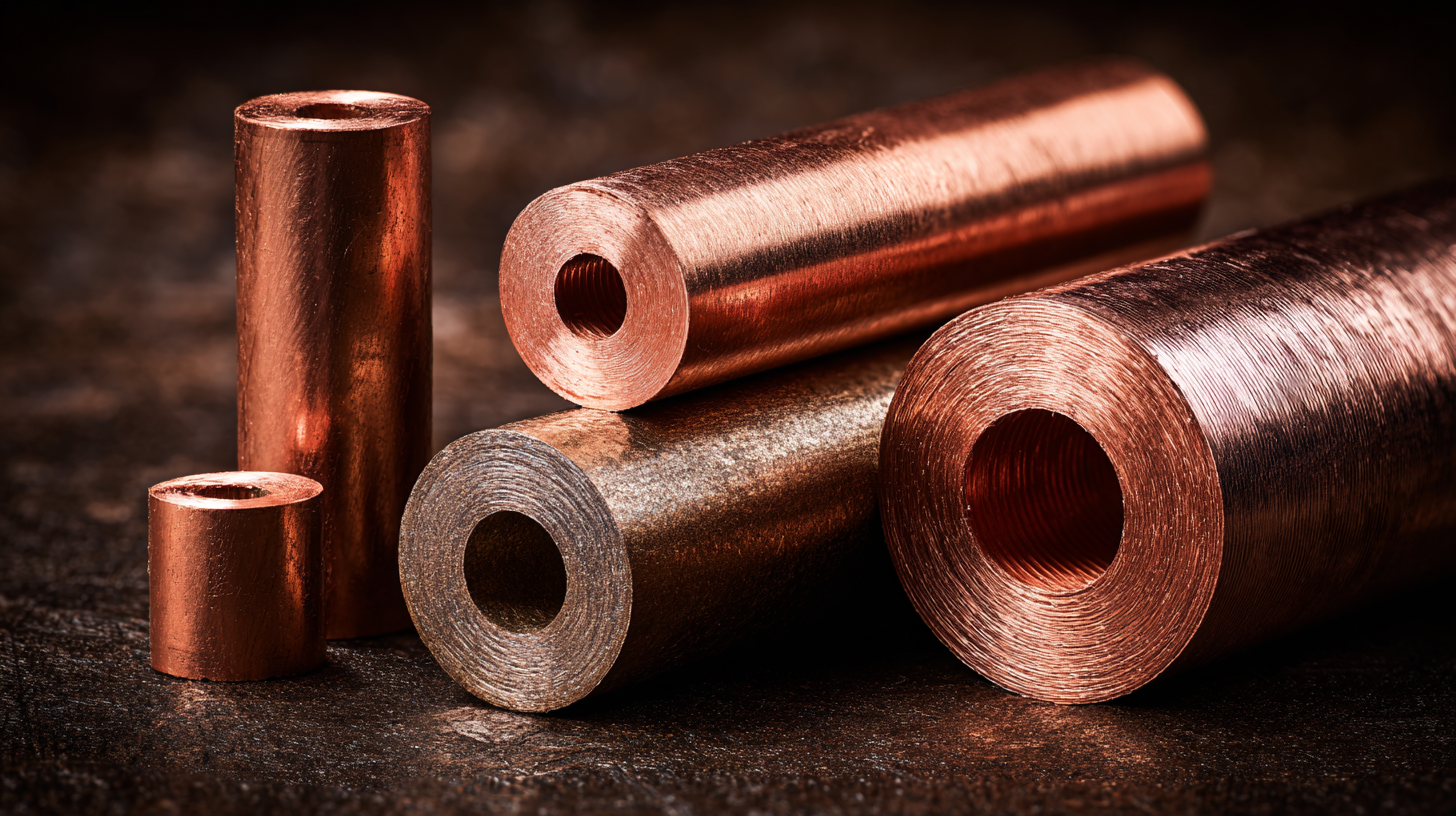
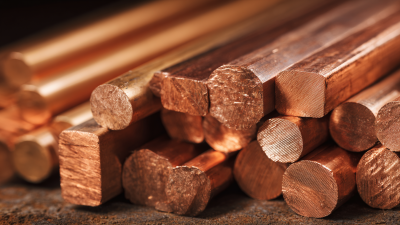
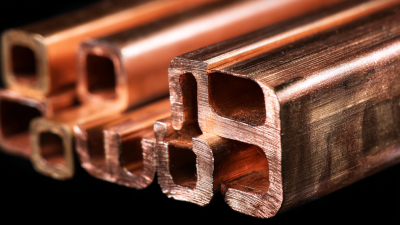
You know, the use of Copper Extruded Shapes has really become a big deal in modern engineering and design these days. Industries are on the lookout for materials that are not just functional but also sustainable—kind of a win-win, right? According to the International Copper Association, copper’s incredible conductivity and resistance to corrosion make it perfect for all sorts of things—think Electrical parts, plumbing, and even structural stuff.
Shaanxi Brilliant Machinery Co., Ltd. is really passionate about leading the charge in this area. We’re all about pushing for top-notch manufacturing and setting the bar high worldwide. Our team is dedicated to innovation and quality because, let’s be honest, the demand for copper extrusions keeps growing, and we want to stay ahead of the game.
Recent market studies show that the copper extrusion market is expected to grow pretty steadily, which means manufacturers like us really need to focus on sustainable practices while still delivering high-quality products. At the end of the day, we’re aiming to raise industry standards and make sure our customers are happy—that’s how we see the crucial role of Copper Extruded Shapes in today's engineering landscape.
Understanding Copper Extruded Shapes: An Overview of Materials and Processes
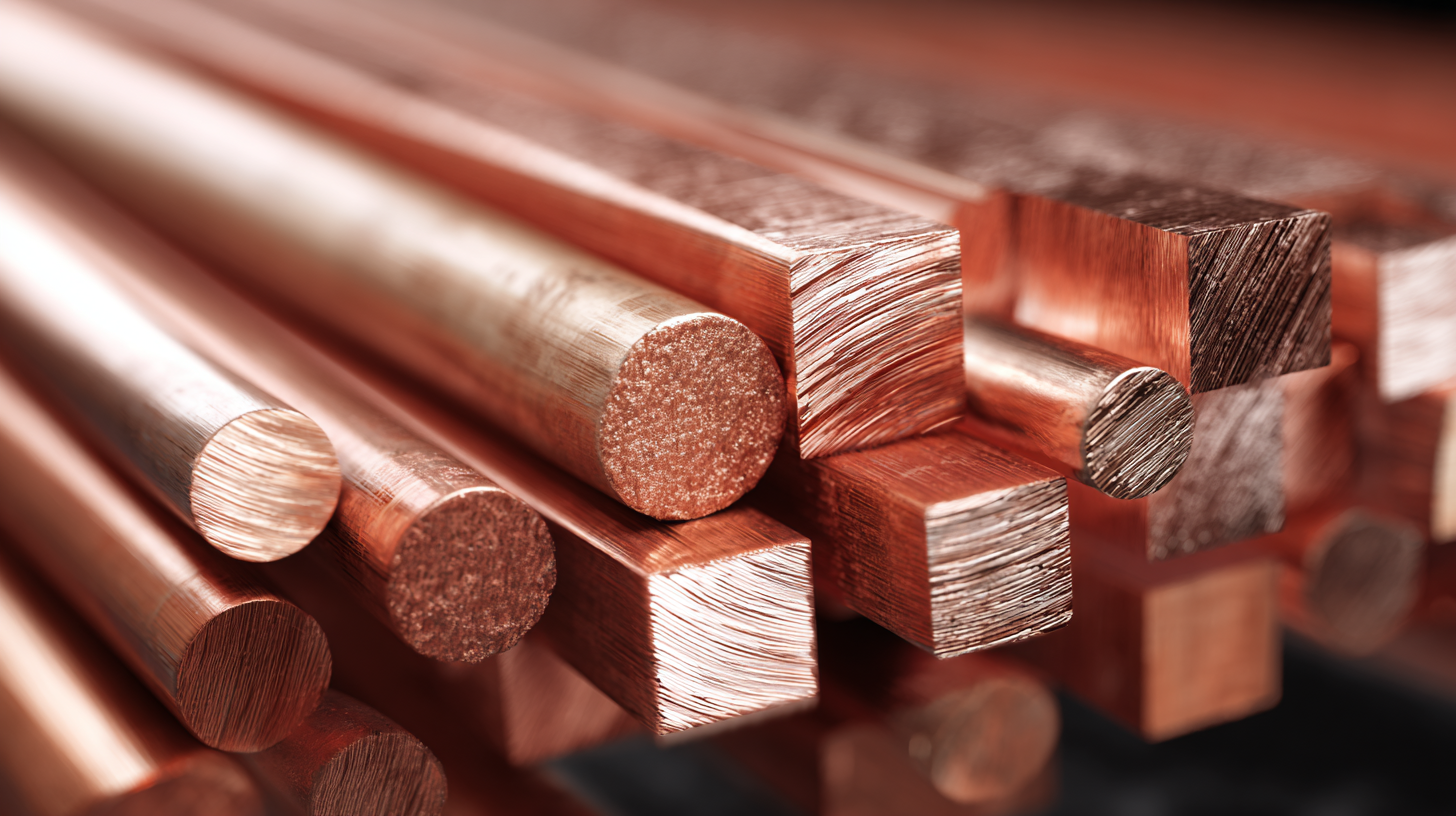 Copper extruded shapes are pretty essential in today’s engineering and design world, mainly because they’re so versatile and conduct electricity really well. The extrusion process is pretty awesome because it allows us to create all sorts of complex shapes—think internal channels or lattice structures—that are in high demand for various applications these days. And lately, there’s been some exciting progress with additive manufacturing, especially with copper-graphene composites. These new materials are showing electrical performance that actually beats traditional copper, and they can be made at a micrometer scale, which is pretty impressive. It’s a clear sign of how manufacturers are pushing the boundaries by blending advanced materials and innovative manufacturing techniques to make products that perform even better.
On top of that, improvements in methods like indirect extrusion and solid-phase alloying are really boosting what copper extrusion can do. For example, research indicates that indirect extrusion of copper-clad aluminum rods can be optimized using statistical experimental designs—which is basically just a fancy way of saying they’re tweaking things to get the best results. Plus, solid-phase alloying is turning aluminum scrap into high-performance alloys pretty quickly by adding elements like copper, zinc, and magnesium. All these advancements just go to show how lively and evolving the world of copper extruded shapes is, and how crucial they are for meeting the demands of modern engineering and design across all kinds of industries.
Applications of Copper Extruded Shapes in Modern Engineering Projects
You know, copper extruded shapes are really starting to pop up everywhere in modern engineering these days. They’re super popular because they conduct heat and electricity so well, plus they’re pretty easy to shape and still quite strong. And the best part? They can be customized to fit just about any design or need. That’s why industries like electronics, aerospace, and renewable energy are all over them. Recently, with advancements in 3D printing and additive manufacturing, we can now create more complex copper shapes—things that used to be pretty much impossible before. The combo of filament-based fabrication and sintering techniques has really boosted what engineers can do, letting them craft detailed, high-precision parts that were out of reach previously.
On top of that, the emergence of copper-graphene composites is pretty exciting. These new materials offer mind-blowing electrical performance—actually better than ordinary copper—so they’re perfect for high-end electronics and power systems. As engineering projects become more demanding and require durability under tough conditions, the versatility of copper extrusions, especially with innovations like graphene reinforcement, makes copper stand out as such an essential material for future designs and applications.
Exploring the Versatility of Copper Extruded Shapes in Modern Engineering and Design
| Application Area | Description | Typical Dimensions (mm) | Advantages |
| Electronics | Used for connectors and circuit boards | Length: 100-300, Width: 5-15 | Excellent conductivity and thermal properties |
| Construction | Used in plumbing and roofing systems | Diameter: 15-50, Thickness: 1-3 | Corrosion resistance and longevity |
| Automotive | Utilized in radiators and heat exchangers | Length: 200-500, Width: 10-35 | High thermal conductivity and ductility |
| Art and Design | Design elements and sculptures | Variable dimensions | Aesthetic appeal and malleability |
| Electrical Engineering | Manufacturing of wirings and cables | Diameter: 1-10, Length: Custom | Superior electrical properties |
Innovative Designs: How Copper Extrusions Enhance Aesthetic Appeal
Copper extrusions are becoming pretty popular these days in modern design and engineering — and honestly, they just look great. The cool thing is, copper is super versatile. It can be shaped into all sorts of intricate forms that not only catch the eye but also serve practical purposes. You’ll see it popping up everywhere — from sleek architectural details to fashionable furniture pieces. It adds this lovely warmth and sophistication that really speaks to today's tastes.
If you're a designer thinking about adding copper to your project, don’t be afraid to play around with different finishes, like brushed or oxidized surfaces. They can totally change the vibe, making your work fit into styles like industrial, minimalist, or even art deco. Also, keep in mind how light hits the copper. Its reflective qualities can create some really cool, shifting effects throughout the day — kinda like a built-in visual feature.
Lately, innovative design is really stepping up, especially in projects that balance looks with function. Modern architecture’s embracing copper not just because it looks stunning, but also because it’s sustainable and eco-friendly — a big deal these days. So, I’d say, designers should definitely explore the mix of old-school charm and new-school innovation copper offers. It’s a chance to craft eye-catching pieces that aren’t just beautiful but also serve important roles in homes and commercial spaces alike.
Exploring the Versatility of Copper Extruded Shapes in Modern Engineering and Design
Comparative Analysis: Copper vs. Other Metal Extrusions in Design Flexibility
You know, copper extrusions are really starting to stand out in modern design and engineering these days. They have some pretty unique qualities that make them preferable over other metals, especially in certain industries. According to the folks over at the Copper Development Association, copper’s got excellent thermal and electrical conductivity, which makes it super useful in things like electronics and building projects. Plus, because it’s so malleable, you can shape it into all sorts of intricate forms—perfect for complicated designs. That’s quite different from aluminum, which, while lighter, doesn’t always bend or flex as easily, making it a bit less versatile for certain design needs.
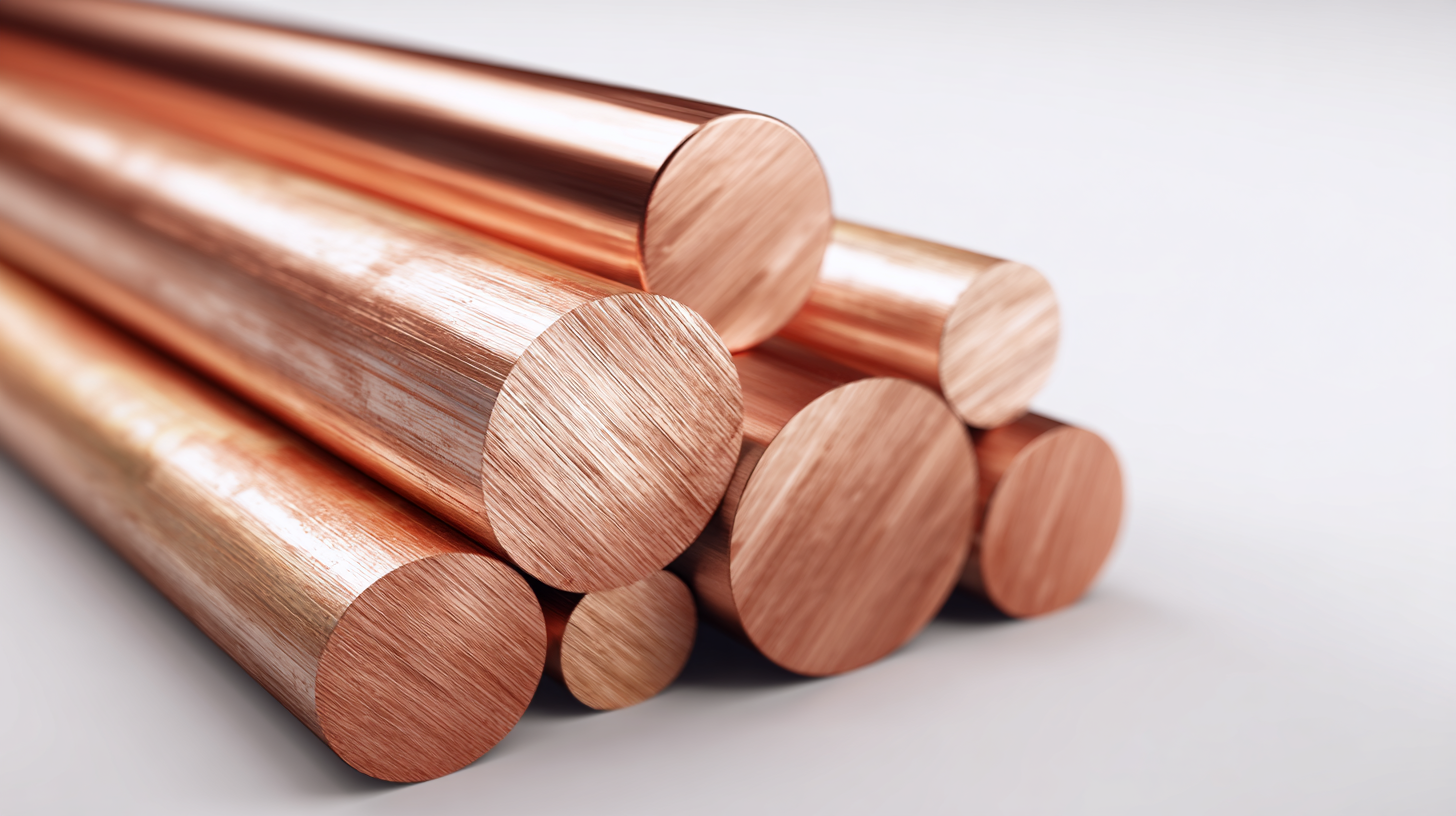
And here’s another thing that’s pretty cool—when you look at how sustainable copper is, it actually outshines a lot of other materials. The International Copper Association says over 90% of copper is recycled, which is pretty impressive and makes it a smarter choice for projects that are expected to last a long time. Steel and aluminum do get recycled too, but they don’t quite hit the same high levels of efficiency or environmental friendliness as copper does. Combining its flexibility in design, durability, and aesthetic appeal, copper is really a versatile material these days. It’s opening up all sorts of possibilities and helping craft more innovative solutions in engineering and design.
Sustainability in Engineering: The Role of Copper Recycling in Extruded Products
Lately, there's been a real push in modern engineering to prioritize sustainability, and one area getting a lot of attention is copper recycling—especially for extruded products. Copper’s super popular because of its excellent conductivity and durability, but it’s also incredibly recyclable. In fact, the Copper Development Association points out that nearly 90% of copper can be recycled without losing any of its properties. That makes it a big favorite for greener engineering practices. Plus, recycling copper isn’t just eco-friendly; it also saves a ton of energy—up to 85% less compared to creating new copper from scratch.
At Shaanxi Brilliant Machinery Co., Ltd., we’re all about combining top-notch manufacturing with environmentally conscious choices. We’re committed to innovation and quality, which is why we make a point of using recycled copper in our extruded products. It helps improve performance while also sticking to eco-friendly standards. As demand for sustainable solutions keeps growing in the engineering world, using recycled materials is becoming more and more important—not just for saving the planet, but also for the economic benefits it brings. Through our efforts, we hope to be a shining example of how integrating sustainability into engineering isn't just good for the environment but also leads to better design and performance.
Future Trends: Advancements in Copper Extrusion Techniques and Technologies
So, you know how copper extrusion techniques and technologies have been evolving? They're really opening up some exciting possibilities in modern engineering and design. These days, industries are looking for materials that not only perform well but also look good, and copper shapes literally shine in that regard. Thanks to new methods like high-speed extrusion and smarter die designs, the process has become more efficient and precise. Plus, these innovations don’t just cut down on waste—they also make it easier to create really detailed, intricate designs that used to be pretty tricky to pull off.
A quick tip: when you're choosing copper extruded shapes for your project, remember that copper’s got some pretty cool properties. Its excellent thermal and electrical conductivity makes it a perfect candidate for electrical parts, while its resistance to corrosion makes it great for architectural stuff.
And here's something interesting—there's a real push toward sustainability. More manufacturers are turning to recycled copper, which helps save resources and supports eco-friendly efforts. Automation and smart tech are also playing a big role, making the whole extrusion process smoother and improving quality control.
Another tip: Keep an eye on new tech like 3D printing with copper. It’s starting to work alongside traditional extrusion methods, offering faster prototyping and custom solutions that are tailored just for specific engineering challenges.
FAQS
: Copper offers excellent thermal and electrical conductivity, malleability for complex shapes, corrosion resistance, and aesthetic appeal, making it a versatile choice for various applications in modern engineering and design.
While aluminum is lightweight, it often lacks the same level of design flexibility as copper, which can be extruded into intricate shapes to accommodate complex design requirements.
Copper has a recycling rate exceeding 90%, which is significant because it conserves natural resources and reduces energy consumption, requiring up to 85% less energy compared to primary production.
The company prioritizes recycled copper in its extruded products, enhancing performance while adhering to eco-friendly standards, aligning its manufacturing practices with sustainable initiatives.
Innovations such as high-speed extrusion and advanced die design are improving efficiency and precision, allowing for the creation of intricate designs and reducing waste in the extrusion process.
There is an increasing exploration and use of recycled copper in manufacturing, which helps conserve resources and supports environmental initiatives, alongside developments in greener extrusion practices.
The introduction of automation and smart technologies in the extrusion process optimizes production and enhances quality control, contributing to better efficiency and output quality.
Technologies such as 3D printing for copper can enable rapid prototyping and custom solutions, enhancing the versatility and responsiveness of engineering designs tailored to specific needs.
Industries like electronics and construction benefit significantly from copper extrusions due to their superior conductivity, durability, and design flexibility.
Copper is ideal for electrical components due to its excellent thermal and electrical conductivity, and it is suitable for architectural applications thanks to its corrosion resistance and aesthetic appeal.
Conclusion
So, I recently read this article called *Exploring the Versatility of Copper Extruded Shapes in Modern Engineering and Design*, and honestly, it’s quite a deep dive into how versatile copper extrusions really are in today’s engineering world. It kicks off with a pretty thorough overview of the materials and manufacturing methods behind creating these copper shapes, highlighting just how unique and adaptable they are. I found it interesting how the article points out how these shapes can really boost the look of modern designs, making them more eye-catching, and it even compares copper to other metals in terms of how flexible they are for creative projects.
Plus, it talks a lot about sustainability, which is such a big deal these days, especially when it comes to recycling copper and how it fits into the lifecycle of these products. The piece wraps up with a look at what’s coming next—future trends and new tech in copper extrusion—that show how this field keeps evolving and innovating. It’s cool to see how companies like Shaanxi Brilliant Machinery are all-in on pushing manufacturing forward while also being mindful about sustainability. Overall, it really drives home the point that copper extruded shapes are super important in modern design — not just for their looks, but for their sustainability too.